
I’m Carole Sanders, and I’ve been a registered homeopath (RSHom) for more than thirty years. Classical homeopathy, the tradition I was trained in, works by treating one person at a time rather than one disease at a time, with a single remedy matched to your whole picture, chosen after a consultation that goes far deeper than a normal appointment ever could. I run Blackmore Vale Clinic of Homeopathy (BVCH), and everything below comes from what I’ve actually seen happen in that consulting room over three decades of practice.
If you’d like more insights like this, you can subscribe to my newsletter.
What Is Classical Homeopathy?

Classical homeopathy means practicing according to the original tradition: one remedy chosen for the individual, not for whatever the diagnosis happens to be called. Two patients can walk in with the same complaint and walk out with two entirely different remedies, because I’m not matching a remedy to a label. I’m matching it to a person: their physical symptoms, yes, but also their temperament, their history, sometimes even their dreams and the small things they can’t stand or can’t get enough of.
I didn’t start out as a homeopath. I trained as an accountant. It was only after I fell seriously ill in the late 1980s and was treated myself homeopathically that I understood what this medicine could actually do. That experience changed the course of my life. I trained at the London College of Classical Homeopathy and qualified in 1993, and I’ve practiced full-time ever since, alongside building experience in counseling, mentoring, and mindfulness meditation, all of which now shape how I sit with a patient.
Homeopathy is both a science and an art, and I don’t think you can separate the two. The art is in listening properly to what someone is telling you. The science is in knowing, after years of study and practice, which remedy actually fits what you’ve just heard.
Why Listening Is the Real Skill
This is the part people misunderstand most. A classical homeopath isn’t taking a list of symptoms and matching it against a chart. A classical homeopath is trained to listen deeply, and an experienced one hears far more than the words themselves.
That means noticing what’s behind the words, not just what you say, but how you say it and what your body is doing while you say it. A pause. A phrase you repeat without realizing. The way your voice changes when you get near something that actually matters. All of that goes into building the picture that eventually leads to a remedy.
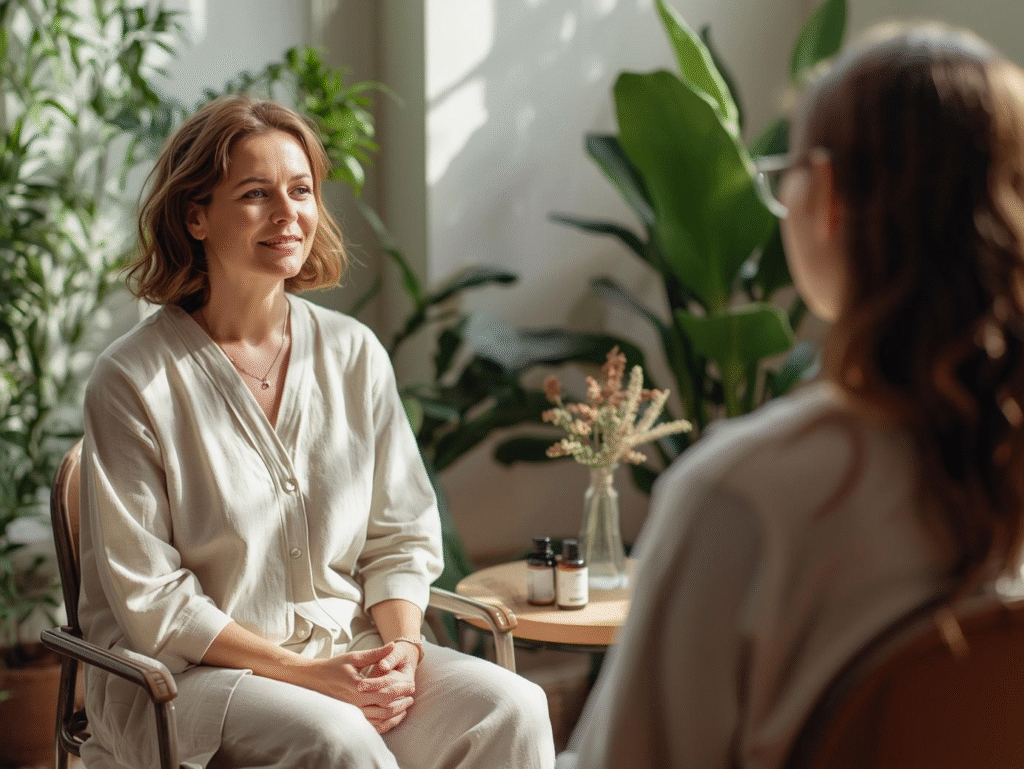
I think of the consultation as an intimate conversation with boundaries. Nothing you tell me is irrelevant, even when it doesn’t feel like it. I’ll sometimes ask about things that seem completely unrelated to your health, what you like, what you can’t stand, a dream that keeps coming back, because these details help me see the whole person, not just the complaint. I’ve lost count of the number of times a patient has stopped mid-sentence and said something like, « I hadn’t put two and two together until now; it all started when my father died. » That’s usually the moment healing begins, because the pain has finally been heard and acknowledged, sometimes for the first time.
Interestingly, I’ve found that online consultations tend to sharpen this rather than get in the way of it. There’s no waiting room, no traffic, none of the small distractions of a physical clinic, just the conversation itself. With fewer things pulling at a patient’s attention, people often speak more freely, and I can listen more closely to everything that sits underneath what they’re actually saying.
What Actually Happens in a Consultation?
A first consultation with me takes about an hour and a half. That’s not padding; it’s roughly what it takes to understand someone properly rather than skim the surface of their complaint. Here’s the shape it usually takes:
- We talk about your health history in an open,ended way. I want the whole story, not just the presenting problem.
- I ask questions that might seem strange at first, about your reactions, your likes and dislikes, your dreams. These aren’t small talk; they help me match you to a remedy.
- You get space to talk without being judged. Many patients tell me it’s the first time they’ve said certain things out loud.
- I prescribe a single remedy, chosen for you specifically rather than pulled from a generic list for your condition.
- We follow up so I can see how the remedy has actually acted and adjust if needed.
I now work entirely online, seeing patients across the UK, Canada, and the United States. You’ll find how to book and current fees on the Contact & Fees page.
How Long Does It Take For Homeopathy To Kick In?
Honestly, it depends on the person. Some patients notice a change quite quickly, occasionally even during the consultation itself, simply from being properly heard for the first time. For others, it’s slower and more gradual, because the remedy is working with the body rather than forcing anything.
I’ve never been interested in promising a quick fix. What I care about is small, sustainable change that actually lasts, and that’s exactly why the follow-up matters as much as the first appointment. It’s where I get to see what’s genuinely shifted and whether we need to adjust course.
Which Country Uses Homeopathy the Most?
Interest in homeopathy rises and falls with the wider mood around natural health, and it varies a lot from country to country. What I can tell you from my own practice is how international it’s become. My patients used to come to a clinic in one place; now, working entirely online, I see people across England, Canada, and the United States, and I’ve supported patients internationally by phone and video call for years.
How Do You Know a Homeopathic Remedy Is Working?
This comes up in almost every follow-up conversation I have. In my experience, patients usually notice something is different before they can quite put it into words. They’ll mention feeling calmer or more able to cope with something that would normally throw them. Some say they understand their own health better than they did before, even if the original symptom hasn’t fully gone yet. Others notice the physical complaint easing alongside a broader sense of feeling more like themselves.
That’s exactly why I use the follow-up consultation to check in properly, physically and emotionally, and how someone is expressing themselves compared to the first time we spoke, before deciding whether to continue the same remedy or move to something else.
Who Do I See in Practice?
I work with people of every age, from babies through to adults, and the range of what brings someone to me is wide. Here’s a snapshot of the areas I focus on most, drawn from my own practitioner profile:
| What I See | What This Looks Like in Practice |
| Chronic, long-standing problems | Issues conventional medicine has struggled to shift |
| Drug side effects | Supporting recovery from the after-effects of medication |
| Pain and emotional struggles | Physical pain alongside the emotional weight that comes with it |
| Unexplained symptoms | Discomfort with no clear diagnosis attached |
| Children’s well-being | Emotional difficulties, or children who’ve been labelled « difficult » |
| ADHD / ADD | Helping children and adults manage it day to day |
| Stress | Ongoing, everyday strain that’s worn someone down over time |
My mission has always been to promote a fair, honest picture of homeopathy, not to oversell it, but to help people understand what it actually is and trust it enough to try it properly. You can read more about my background on the About Me page or get a broader introduction to the subject on Homeopathy in a Nutshell.
What My Patients Actually Say
I could tell you what I think this work does for people, but it’s more honest to let a few of them speak for themselves. Robyn Sumpter told me afterwards that she’d never had to virtually tell her life story before, and that it was a very positive experience even before she knew what her treatment would be. James Gray described the process as friendly, considered, and calm and said he felt comfortable enough to talk about himself without any fear of judgement. Mary, Anne called the experience empathetic and approachable, and said my knowledge and expertise felt vast.
None of them mention a remedy name or a symptom disappearing overnight. What they mention is being listened to properly, and that’s not an accident; it’s the whole method.
Beyond the Remedy: Wellness Coaching and Support
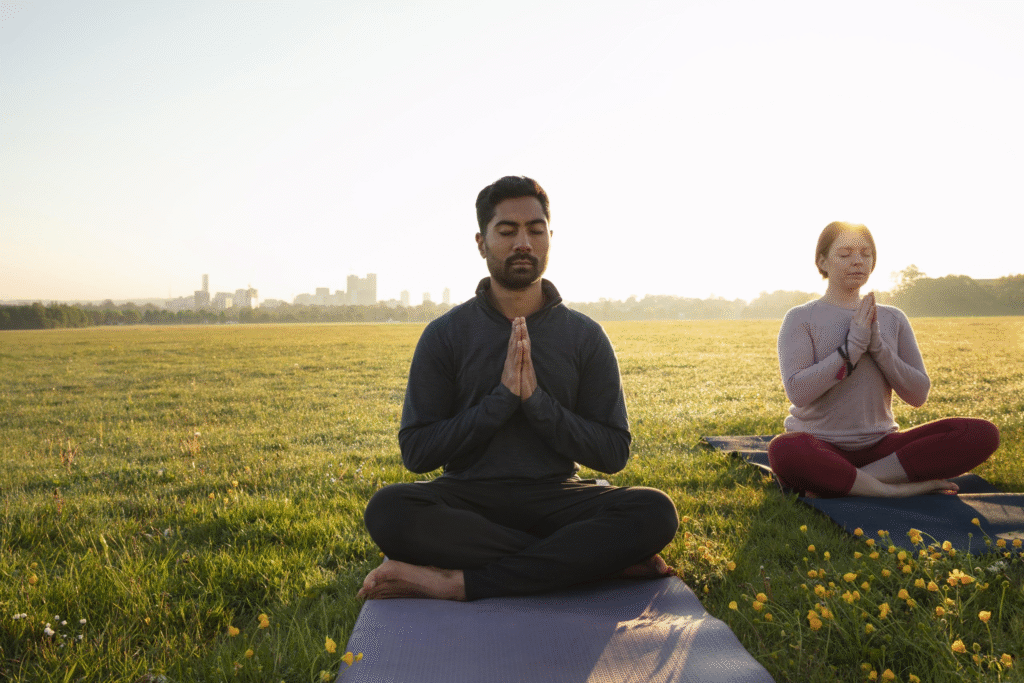
Homeopathy sits at the center of what I do, but it isn’t the whole of it. Alongside remedy prescribing, I offer one-to-one wellness coaching, in person in the past and now by phone or video, for patients working through long,term health issues or simply trying to feel more balanced day to day. That might mean weaving in mindfulness and meditation to help calm an anxious mind, or making space for straightforward counselling when someone needs to talk something through rather than take something. I look beyond the symptom in front of me to the physical, emotional, and mental picture as a whole, because in my experience those three things are never really separate.
This is also where my background outside homeopathy comes in useful. The counseling and mentoring training I built up over the years doesn’t replace the homeopathy; it sits alongside it, and it’s part of why patients often say the consultation itself felt like something in its own right, not just a step on the way to a prescription.
Does It Matter If I Can’t Find a « Homeopath Near Me »?
Not really, and I say that as someone who used to run a physical clinic. Classical homeopathy was never built around geography; it’s built around the depth of the conversation between you and the homeopath, wherever you both happen to be. My own path into this work, from an accounting career to a homeopathy qualification in 1993, taught me that the value is in the listening and the knowledge behind the remedy, not the postcode of the building it happens in. If you’d like more on the thinking behind my approach, it’s on the More About Homeopathy page, and I also offer supervision and mentoring to other homeopaths who want to develop this same depth of listening in their own practice.
Key Takeaways
- Classical homeopathy prescribes one remedy at a time, matched to the whole person rather than the diagnosis.
- Deep listening, hearing what’s behind the words, not just the words, is the real skill of a trained classical homeopath.
- Online consultations, in my experience, often make that listening sharper rather than weaker, because there’s less in the room to distract from the conversation.
- A first appointment runs around ninety minutes; the follow-up is where progress actually gets assessed.
- Change can be quick or gradual, and it often shows up first as a shift in how someone feels in themselves.
Frequently Asked Questions
- How long does it take for homeopathy to kick in?
It’s different for everyone. Some people feel a change quickly, even close to the consultation itself, while others notice it building more slowly over the following weeks. - What is classical homeopathy?
It’s the original tradition of homeopathic practice, one remedy chosen for you as an individual after a detailed consultation, rather than a standard treatment for a named condition. - How do you know a homeopathic remedy is working?
Usually, patients feel calmer or more resilient before the original symptom fully resolves. I use the follow-up consultation to properly check how things have shifted. - Do online consultations work as well as in-person ones?
In my experience, yes, often better. Without the distractions of a physical clinic, people tend to speak more openly, and I can listen more closely. - Is classical homeopathy suitable for children?
Yes. I see patients of every age, including babies and children, and I have particular experience with children’s emotional well-being and with ADHD/ADD.
About the Author
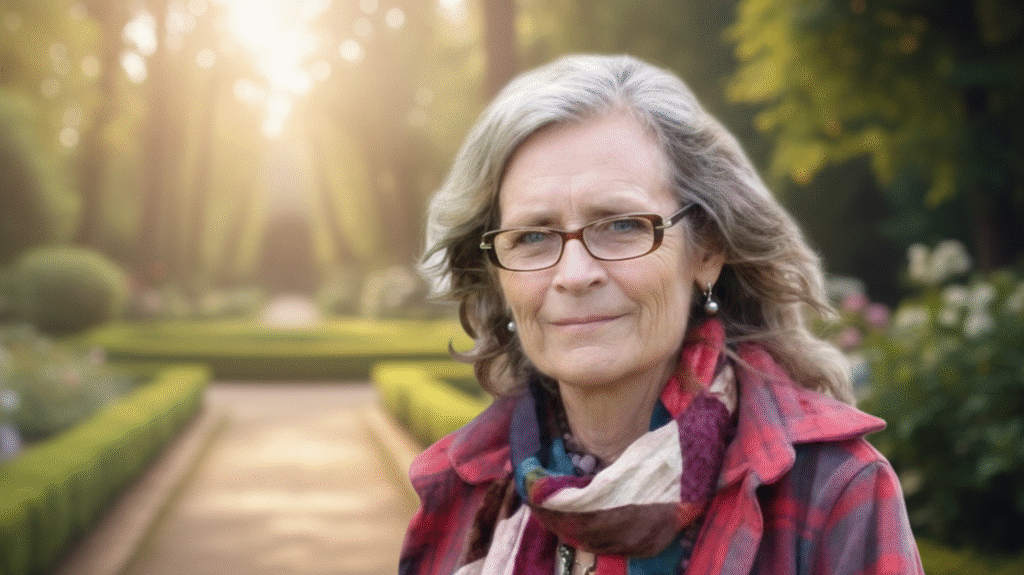
I’m Carole Sanders, RSHom, a registered classical homeopath and the founder of Blackmore Vale Clinic of Homeopathy (BVCH). I trained at the London College of Classical Homeopathy, qualifying in 1993, and I’ve worked full-time ever since, now seeing patients across the UK, Canada, and the United States entirely online. I also offer supervision and mentoring to other homeopaths. You can read more about my background on my profile page or find my latest writing on the BVCH blog.
Laisser un retour à ce sujet