
Yes, homeopathy can be genuinely helpful during perimenopause because it looks at hot flushes, mood swings, disrupted sleep, and hormonal changes as one connected picture rather than a set of separate problems to manage. A classical homeopath spends real time understanding you before choosing a single remedy that fits your particular experience of this stage of life. For many of the women I see, that alone, being properly listened to, changes how the whole transition feels.
I’m Carole Sanders (RSHom), and I run Blackmore Vale Clinic of Homeopathy. I’ve been practicing classical homeopathy for over 35 years, and these days I work almost entirely by video, with clients across the UK, Canada, and the United States. Perimenopause is one of the things I’m asked about most, so I wanted to write honestly about how I actually work with it, not a checklist of remedies, but how the process really unfolds.
What Is Actually Happening in the Body During Perimenopause?
Perimenopause isn’t a steady decline in hormones; it’s more of a rollercoaster. Oestrogen and progesterone rise and fall unevenly for months or years before periods stop altogether, which is exactly why the symptoms feel so inconsistent. A woman might sail through several calm weeks and then, seemingly out of nowhere, hit a stretch of broken sleep, flushes, and a temper she doesn’t recognize.
That unpredictability is often the hardest part. It’s not just the symptoms themselves; it’s not knowing what tomorrow will bring, or feeling like your own body has become unreliable.
How Homeopathy Approaches This Differently
Where conventional medicine tends to treat each symptom on its own- something for sleep, something for flushes, something for mood- classical homeopathy starts from the whole picture. Two women going through perimenopause at the same time might end up with completely different remedies because the details of their experience differ: one flushes with the slightest warmth and wants fresh air; another feels worse in the cold and craves company rather than solitude.
The remedy is chosen to match the person sitting in front of me (or, these days, on my screen), not a diagnosis on a form. You can read more about that principle on my more about homeopathy page.
Why I Ended Up Doing This Work
This wasn’t my first career. I trained as an accountant. It was only after I became seriously unwell in the late 1980s and found that conventional medicine wasn’t giving me any real answers that I came across homeopathy. It changed the entire direction of my life. I trained at the London College of Classical Homeopathy and qualified in 1993, and I’ve practised full-time ever since.
I mention this because perimenopause touches on exactly what drew me into this work in the first place. A hot flush is rarely just a hot flush. It often sits alongside grief for a chapter of life ending, worry about ageing parents or grown children leaving home, or plain exhaustion after decades of holding everything together. A consultation gives room for all of that, not just the physical symptom that brought you in.
Why Listening Properly Changes the Consultation

A classical homeopath is trained to listen deeply, not just to your words, but to what sits behind them. How you say something matters as much as what you say: a pause before a certain topic, a shift in your voice, or the way your shoulders drop when a particular subject comes up. That’s part of how I build a picture of you, not just your symptoms.
Perimenopause tends to arrive at a stage of life when women are used to being told to push through, at work, at home, for everyone else. Many of my clients tell me that nobody has properly asked how they are in years. A homeopathic consultation is built around that question, and I give it a proper hour and a half, not ten rushed minutes.
Working by video hasn’t got in the way of this; if anything, it’s helped. Without a waiting room, a drive across town, or the small stresses of getting somewhere on time, people often arrive more settled and speak more openly from their own space. I hear more through a screen than I expected to, not less.
Do You Need a Homeopath Near You or Just a Good One?
I understand why people search for « a homeopath near me »; health can feel like it should be handled face to face, locally. But classical homeopathy has always depended far more on the depth of the conversation than on geography. What matters is whether you’re truly heard and understood, not the postcode on a business card.
Because I now work entirely online, I see women across very different time zones, Dorset, Toronto, and California, without either of us losing anything in the process. If your local search has turned up limited options, an experienced homeopath a few hundred miles away, reached over video, is often the better choice.
What Happens in a Perimenopause Consultation
Your first consultation runs for about an hour and a half. It isn’t a symptom checklist, it’s closer to an honest conversation with clear boundaries, where I want to understand enough about you as a whole person to match a remedy properly, rather than treating « perimenopause » as a label to prescribe against.
I’ll typically ask about:
- How your hot flushes or night sweats actually feel, and what makes them better or worse
- Your emotional state day to day, and whether anything’s shifted recently
- Sleep, and any worries that tend to surface at night
- Long-standing family or personal health patterns that might be resurfacing now
- What else is going on in your life, grief, work pressure, a changing relationship, that so often coincides with this stage
Many women tell me the consultation itself does something before any remedy is even taken. There’s often a moment when something clicks. One patient once told me, « I didn’t put two and two together until I realized it all started when my father died. » Once that’s been named and taken seriously, the treatment tends to make a lot more sense.
Stress, Mood and the Emotional Side of Perimenopause

Anxiety that wasn’t there before. Irritability that feels unlike you. A flatness that doesn’t match anything obvious happening in your life. These show up constantly alongside the physical symptoms of perimenopause, and in homeopathy for stress, they’re treated as part of the same picture rather than a separate problem bolted on afterwards.
Alongside remedies, I sometimes bring in mindfulness and meditation, counselling, or gentle healing work, not instead of homeopathy, but to support the emotional weight this stage of life often carries.
How Do I Choose a Homeopath?
A few things worth checking before you book:
- Classical training, someone practicing the original tradition, prescribing one matched remedy rather than a pre-mixed combination for a named condition.
- A recognized qualification, such as RSHom, showing proper training and accountability.
- Direct experience with hormonal or emotional health, not just a general listing.
- How the first session feels: you should come away feeling heard, not processed.
- Willingness to explain their reasoning: A good homeopath can tell you, in plain terms, why they’ve chosen your particular remedy.
You can read more about my own background on my profile page.
What Should I Avoid While Taking a Remedy?
A handful of things can dull how well a remedy works, especially in the first few days:
- Strong smells close to doses of camphor, menthol, or strong essential oils
- Large amounts of coffee, which some people find interferes with the effect
- Touching the remedy directly with your fingers, tipping it into the cap, or using a clean spoon
- Starting several new remedies or supplements all at once, which makes it hard to tell what’s actually helping
More detail is on my antidoting remedies page, or just ask me directly during your session.
Is Homeopathy Good for Gastritis?
Often, yes, though the answer depends entirely on you rather than the diagnosis itself. Two people with gastritis might need completely different remedies depending on what triggers it, what soothes it, and what else is going on for them at the time, which, interestingly, is frequently tangled up with the same stress and hormonal shifts behind perimenopause. If digestive symptoms and hormonal ones are both bothering you, it’s worth mentioning them together in a consultation rather than treating them as unrelated.
Which Brand of Homeopathy Is Best?
There isn’t really a brand to pick, in the way you’d choose a supplement off a shelf. What matters is the person prescribing, not the packaging. The same remedy, Arnica, for instance, can be given at very different strengths and for very different reasons depending on who’s in front of me. My remedies page goes into this in a bit more detail, but the short version is the training behind the prescription matters far more than any name on a bottle.
A Few Everyday Things That Help

Alongside remedies, I often talk with clients about small, practical steps that support the body through this stretch of life:
- Keeping to regular sleep hours, even when night sweats keep disrupting them
- Paying attention to diet and key nutrients as your body’s needs shift
- Building in proper rest, not just « productive » downtime
- Telling a partner or close friend what’s actually going on, rather than carrying it quietly
A Few Questions People Often Ask Me Afterwards
- Can I take homeopathy alongside HRT?
Many of my clients do exactly this. It’s worth telling me everything you’re taking so I can see the whole picture clearly. - How long before I notice a difference?
It varies a lot from person to person; some notice a shift within days, and others need a few cycles before things settle. I’ll usually follow up with you within a few weeks of your first session. - Do I need to stop anything before we start?
Not usually. Bring me a full, honest picture of what you’re taking and doing, and we’ll work from there together. - Is this only for severe symptoms?
Not at all; plenty of women come to me simply feeling « off, » without anything dramatic to report. That’s a perfectly good reason to start. - What if I’ve never tried homeopathy before?
That’s completely fine. I’ll explain everything as we go, and there’s no assumed knowledge needed on your part.
If any of this sounds familiar, book a consultation or get in touch and we can talk it through properly. You’re also welcome to read more about my approach,or browse other patients’ experiences.
About the Author
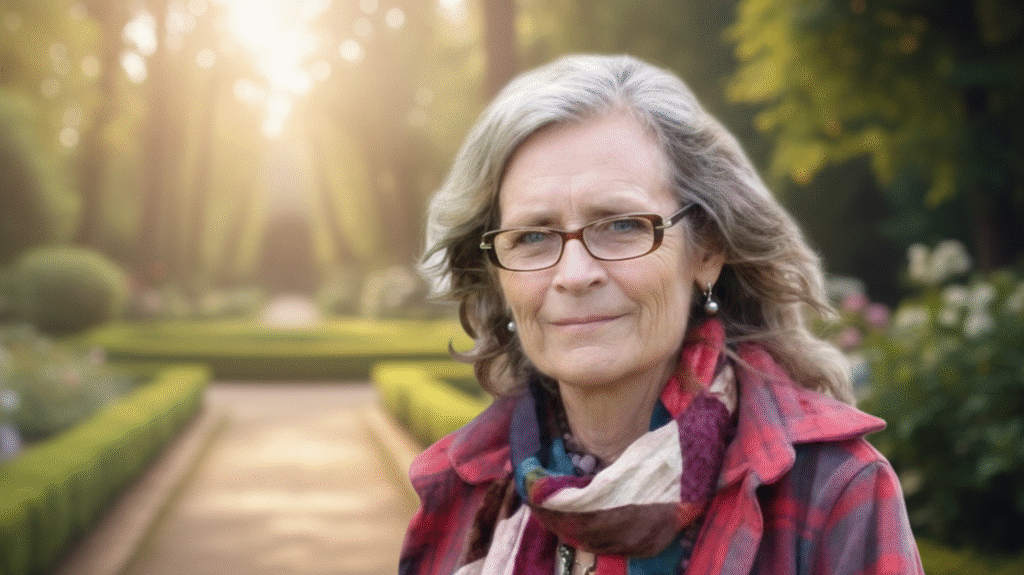
Carole Sanders (RSHom) is a classical homeopath with over 35 years of experience, practicing through Blackmore Vale Clinic of Homeopathy. She trained at the London College of Classical Homeopathy, qualifying in 1993, and now works exclusively online with clients across the UK, Canada, and the United States. Read more on her professional profile, or find her on Facebook, Instagram, and X.
Laisser un retour à ce sujet